
Sleep Apnea Dentist in Woodstock, GA: A Quieter Night Starts at the Dentist
A quieter night starts at the dentist
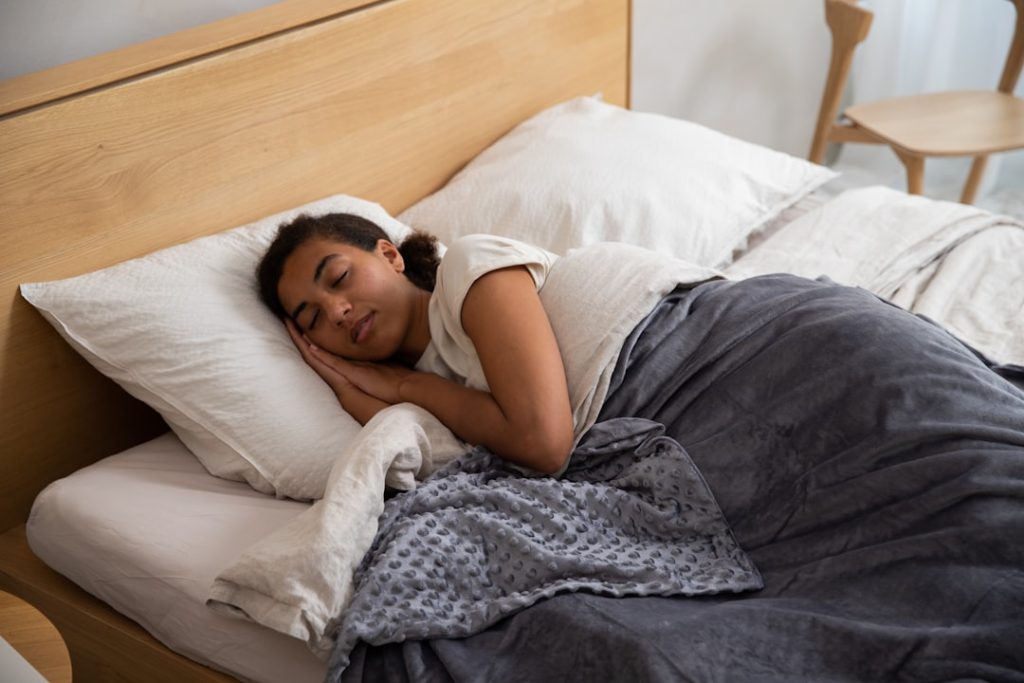
If you snore loudly, wake up tired despite sleeping all night, or your partner says you stop breathing in your sleep, you may have obstructive sleep apnea. A sleep apnea dentist in Woodstock, GA can help with a custom oral appliance that keeps your airway open while you sleep, without a CPAP machine, without surgery, and without noise.
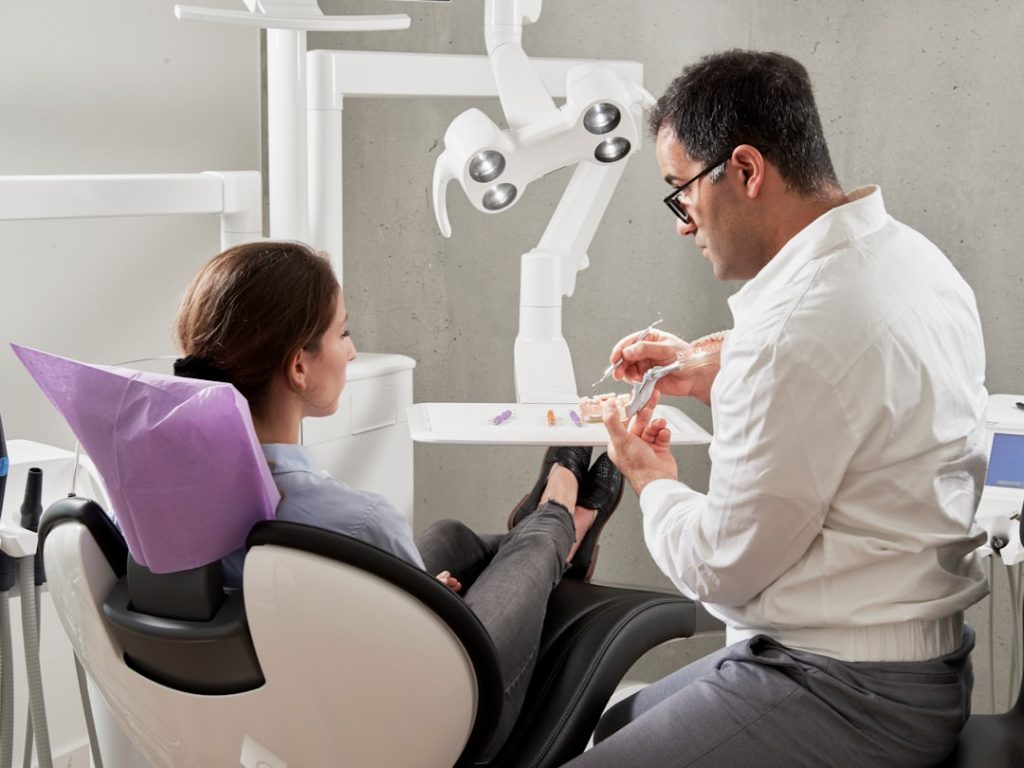
At Magnolia Smiles, Dr. Zack Finnegan, DMD takes a whole-patient approach that includes evaluating your airway as part of every comprehensive exam. Sleep and breathing are not separate from dental health. They are part of the same picture.
What Is Obstructive Sleep Apnea?
Obstructive sleep apnea (OSA) happens when the soft tissue in the back of your throat relaxes during sleep and blocks your airway. Your body wakes you up, sometimes dozens of times an hour, to restart breathing. Most people do not remember these episodes.
The result: fragmented sleep, lower oxygen levels, and a long list of downstream health effects.
Common signs:
- Loud, chronic snoring
- Gasping or choking during sleep
- Waking up with a dry mouth or headache
- Daytime fatigue, even after a full night of sleep
- Difficulty concentrating
- Irritability
OSA is more common than most people realize. It affects roughly 1 in 5 adults, and many go undiagnosed for years.
How a Dentist Helps With Sleep Apnea
A sleep apnea dentist does not diagnose sleep apnea. That requires a sleep study, either at a sleep lab or through a home sleep test ordered by a physician. What a dentist does is provide treatment after the diagnosis.
The treatment is called oral appliance therapy (OAT). It works like this:
- Evaluation. Dr. Finnegan reviews your sleep study results, evaluates your jaw, airway, and bite, and confirms you are a candidate.
- Custom fitting. A digital impression is taken and used to fabricate a custom oral appliance that fits over your upper and lower teeth.
- Adjustment. The appliance is calibrated over several visits to find the jaw position that opens your airway most effectively.
- Follow-up. Dr. Finnegan monitors your progress, checks for bite changes, and works with your sleep physician to verify treatment effectiveness.
The appliance gently advances your lower jaw forward during sleep. This tightens the tissue in the back of the throat and prevents airway collapse.
Oral Appliance vs. CPAP
CPAP (continuous positive airway pressure) is the standard treatment for sleep apnea. It works well when patients use it. The problem is that roughly 30 to 50 percent of CPAP users do not tolerate it long-term.
| Oral Appliance | CPAP | |
|---|---|---|
| How it works | Repositions the jaw to open the airway | Pushes air through a mask to keep the airway open |
| Noise | Silent | Fan/motor noise |
| Portability | Fits in a pocket; great for travel | Requires machine, mask, tubing, power source |
| Comfort | Small, custom-fitted mouthpiece | Mask straps, seal pressure, potential skin irritation |
| Effectiveness | Best for mild to moderate OSA | Effective for all severities |
| Compliance | Higher long-term compliance rates | Lower compliance for many patients |
For patients with mild to moderate sleep apnea, an oral appliance is often the preferred treatment. For severe cases, CPAP remains first-line, though some patients combine both.
Dr. Finnegan will give you an honest assessment of which option fits your diagnosis and your lifestyle.
Who Is a Good Candidate for an Oral Appliance?
You may be a good candidate if you:
- Have been diagnosed with mild to moderate obstructive sleep apnea
- Snore heavily but have not yet been diagnosed (a sleep study is the next step)
- Cannot tolerate CPAP
- Travel frequently and need a portable solution
- Have a healthy jaw joint and adequate dentition to anchor the appliance
You may not be a candidate if you have severe OSA without CPAP tolerance, significant jaw joint disease (TMJ disorder), or insufficient teeth to support the appliance.
What About Kids and Airway Issues?
Airway problems are not limited to adults. Children who mouth-breathe, snore, grind their teeth, or have difficulty focusing may have underlying airway concerns.
Signs in children:
- Open-mouth posture during the day
- Snoring or restless sleep
- Bedwetting past age 5
- Difficulty with focus or behavior (sometimes misdiagnosed as ADHD)
- Crowded teeth or narrow palate
Dr. Finnegan screens for these signs during pediatric exams and can refer to sleep specialists or ENTs when appropriate.
How Much Does Oral Appliance Therapy Cost in Woodstock, GA?
Custom oral appliances typically cost between $1,800 and $3,000. Many medical insurance plans cover oral appliance therapy for diagnosed sleep apnea when CPAP has been tried first or is contraindicated. Your dental insurance may also contribute.
Magnolia Smiles helps patients navigate insurance coordination between dental and medical plans. If you do not have coverage, ask about payment options.
Frequently Asked Questions
Can a dentist help with sleep apnea? Yes. A dentist trained in sleep medicine can fit a custom oral appliance that holds the airway open during sleep. This is a proven treatment for mild to moderate obstructive sleep apnea.
What is oral appliance therapy? A custom-made mouthpiece worn during sleep that gently moves the lower jaw forward, preventing the airway from collapsing.
Do I need a sleep study first? Yes. A sleep study (in-lab or home-based) is required to diagnose sleep apnea before an oral appliance can be prescribed.
Will insurance cover an oral appliance for sleep apnea? Many medical insurance plans cover oral appliance therapy when medically documented. Dr. Finnegan’s team can help verify your benefits.
Is an oral appliance uncomfortable? Most patients adjust within a week. The appliance is small, silent, and custom-fitted. It does not restrict your mouth from opening.
Next Step
If you snore, wake up tired, or your partner has told you that you stop breathing at night, mention it at your next appointment or schedule a dedicated evaluation.
Dr. Finnegan can screen your airway, discuss whether a sleep study is warranted, and walk you through your options clearly.
Learn more about sleep and airway dentistry at Magnolia Smiles or book through our contact page.
For a broader guide, see dentist in Woodstock, GA or dentist for anxious patients in Woodstock, GA.
Whole-patient care. That includes the hours you are asleep.
Ready When You Are
Straight talk. Thoughtful care. Book a visit with Dr. Zack Finnegan, DMD at Magnolia Smiles in Woodstock, GA.